Claims[01]
Medical claims on a cosmetic
"Treats eczema" or "repairs collagen" turn a cosmetic into a medicine in the eyes of regulators. Ads get pulled and accounts restricted.
Ads and visibility: customers who are looking for your service now or don’t know about it yet.
01 Google AdsEnquiries from people searching for your service right nowfrom £480/mo 02 Social media adsMeta, TikTok, LinkedIn: customers who are not searching yetfrom £480/mo 03 SEOHigher in Google and Maps without paying per clickfrom £430/mo 04 Visibility in ChatGPT and AIYour business in AI assistant answerspart of SEO 05 Amazon, eBay and marketplacesSell where customers already buywith a partnerThe place where a visit turns into an enquiry, and a system that doesn’t lose that enquiry.
01 Web designA website that turns visits into enquirieslanding from £400 02 Online shopsCart, payments and shipping, ready for adsfrom £1,300 03 CRMNo enquiry gets lost in a phonesetup £620 04 Chatbots and AIThey answer customers, at night too£310 05 Email and SMSCustomers come back instead of forgetting youquoted individuallyPlan and tracking first, budget second. You know what works before you spend more.
01 Strategy and auditKnow where to spend the budget before you spend it£500 02 AnalyticsSee which ad brings in money£240 03 ConsultationsA call about your specific problem£25/h 04 Free auditA quick review and 3–5 priorities to start£0How your business looks and sounds before anyone calls you.
01 Social media managementProfiles that look like a real businesswith a partner 02 Creative and videoGraphics and videos that stop the thumbquoted individually 03 BrandingA logo and style that set you apartwith a partner Edmonton, Canada
website with a 3D calculator and a CRM
Boreal Kitchens
 Winnipeg, Canada
website and CRM in one system
Adela Strycharz, REALTOR®
 Żywiec, Poland
500+ page website and CRM for a chain
Gładko Tnący Barber
 Warsaw, Poland
website in 4 languages, calculators and CRM
MagCleaning
Marketing for cosmetics brands that sells through Instagram and Reels, with claims you can defend if a competitor complains.
Free: a 30-minute call, an action plan and a price range in writing.
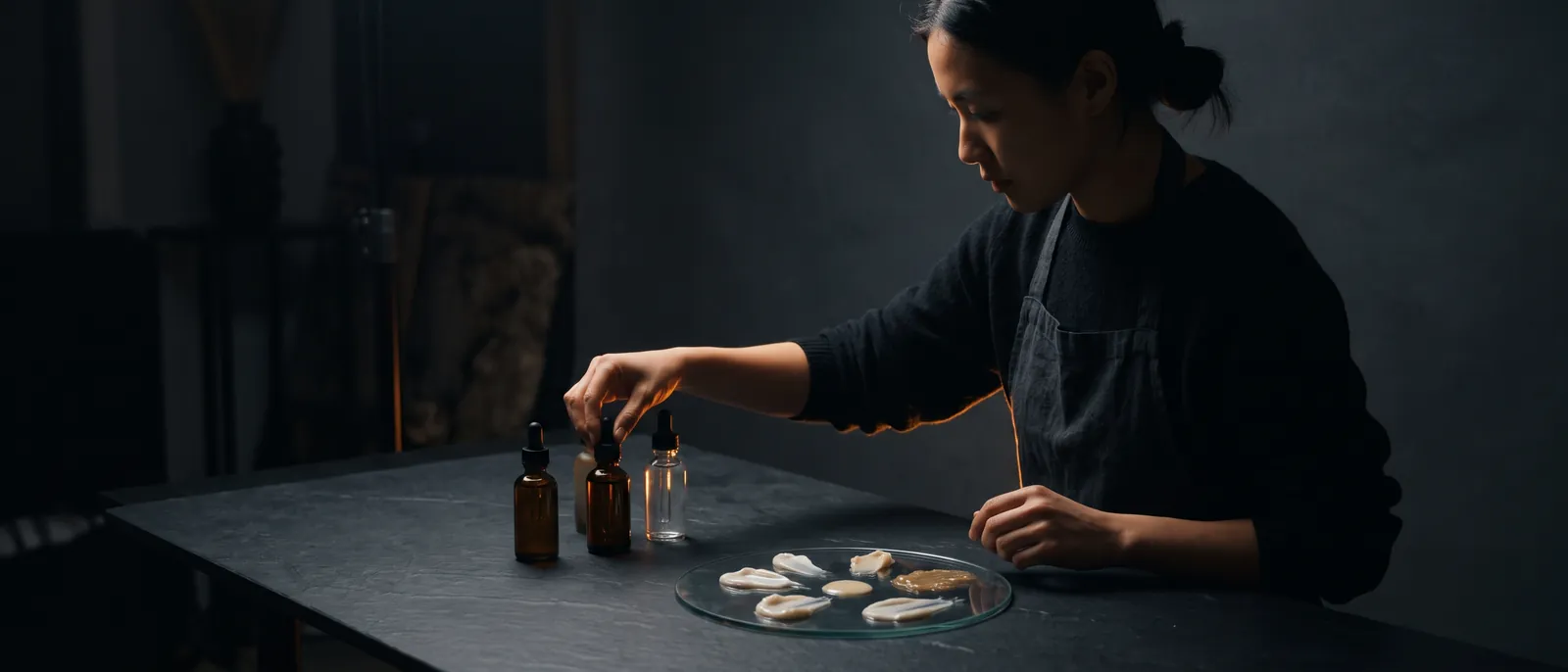
"Treats eczema" or "repairs collagen" turn a cosmetic into a medicine in the eyes of regulators. Ads get pulled and accounts restricted.
A serum lasts about two months. Without a reminder, the reorder goes to whatever is on the shelf at the chemist.
Unlabelled influencer content breaks the rules for both the creator and the brand.
Before calling, customers read reviews. I help you collect them and reply in a way that builds trust.
Texture shots, routines and real customer content, with remarketing to people who viewed products.
A clean feed with ingredients and sizes for buyers searching "vitamin C serum" or "sulphate-free shampoo".
SEO pages answering what people search: which ingredient, which skin type, in what order.
A reminder timed to when the product runs out, sent to customers who agreed to hear from you.
Prices in pounds sterling. Ad budget paid by you directly to Meta or Google.
A fast shop you own.
Both ad platforms, one plan.
Claims, channels and priorities.
An online shop for a jewellery brand built around drops, with the first one set for December 2026.
See the case study →Online booking with packages for a laser and beauty clinic where I run marketing, so I know beauty customers from the inside.
See the case study →Marketing for cosmetics brands in the UK runs on trust and repetition. People discover a product on Instagram or TikTok, read ingredient lists and reviews, compare prices with big retailers, and only then buy. If it works, they buy again every six to ten weeks. A small brand's profit sits in that repeat purchase, so the marketing has two jobs: earn the first order and make the second one effortless.
Searches are specific: "niacinamide serum for oily skin", "vegan shampoo UK", "fragrance-free moisturiser", "SPF for sensitive skin". Ingredient and routine pages that answer those questions bring buyers through SEO and give your ads somewhere useful to land. I build shops where every product has fields for ingredients, usage, skin type and size, and a feed ready for Google Shopping.
Cosmetics in Great Britain fall under the UK Cosmetics Regulation, with a Responsible Person, a safety assessment and product notification. In advertising, the key rule is simple: a cosmetic can cleanse, protect, perfume, change appearance or keep skin in good condition. Once you say it treats, cures or prevents a condition, such as acne, eczema or hair loss, it is presenting as a medicine. The ASA rules on this regularly.
Claims like "clinically proven", "dermatologically tested" or "reduces wrinkles by" need proper evidence held before you publish. "Natural", "clean" and "chemical-free" invite challenge, and green claims fall under the CMA's Green Claims Code. Before-and-after images must not be retouched. I write copy that sells within those limits and flag anything that needs your safety assessor's view.
Influencer marketing is central to beauty. Any post where the creator was paid or given products must be clearly labelled as an ad. Reviews must be real and unfiltered; the DMCC Act bans fake reviews and concealed incentives. Sending free products in exchange for positive reviews only is no longer a grey area. Influencer campaigns are delivered with a trusted partner; see influencer marketing.
Timing a reminder to when a product runs out is one of the most profitable things a beauty brand can do. A 50ml serum used daily lasts roughly two months; a reminder at seven weeks, sent to customers who agreed to marketing emails, brings the reorder to you instead of the chemist. Subscriptions work too, but the new DMCC subscription rules mean clear terms and easy cancellation. More on consent in my PECR email guide.
Gift sets sell from November to Christmas. January brings "new year" routines. Valentine's Day and Mothering Sunday are strong for gifting, summer for SPF and body care, autumn for richer skincare. I plan launches and campaigns around those moments.
| Period | Focus |
|---|---|
| November–December | Gift sets, Black Friday |
| March | Mothering Sunday |
| May–August | SPF, body care |
I work remotely with brands across the UK, in UK hours. My closest beauty experience is running marketing for a laser and beauty clinic in Poland. For salons and clinics using your products, see marketing for beauty salons.
No, not for a cosmetic. Claims to treat or prevent a condition make it a medicine in regulators' eyes. You can describe soothing or moisturising effects with evidence, worded carefully.
I review claims in the audit and rewrite copy to stay within the rules, flagging anything that needs evidence from your safety assessor. For formal compliance sign-off, use a regulatory specialist.
Meta ads with texture and routine videos for discovery, Google Shopping for people searching ingredients, and email for reorders. Budget of about £1,000 a month is a sensible start.
Yes, through a trusted partner, with every post labelled as an ad. The contract and communication stay with me.
It can add volume, but it competes with your own shop. I deliver marketplace work with a partner and usually recommend getting your own shop and repeat orders working first.
Tell me about your brand. I reply within one working day.
What do you need most?