



Appointment reminders that cut no-shows
Automated appointment reminders are the cheapest fix for no-shows. When to send them, what to write, and how UK clinics, salons and garages set them up.
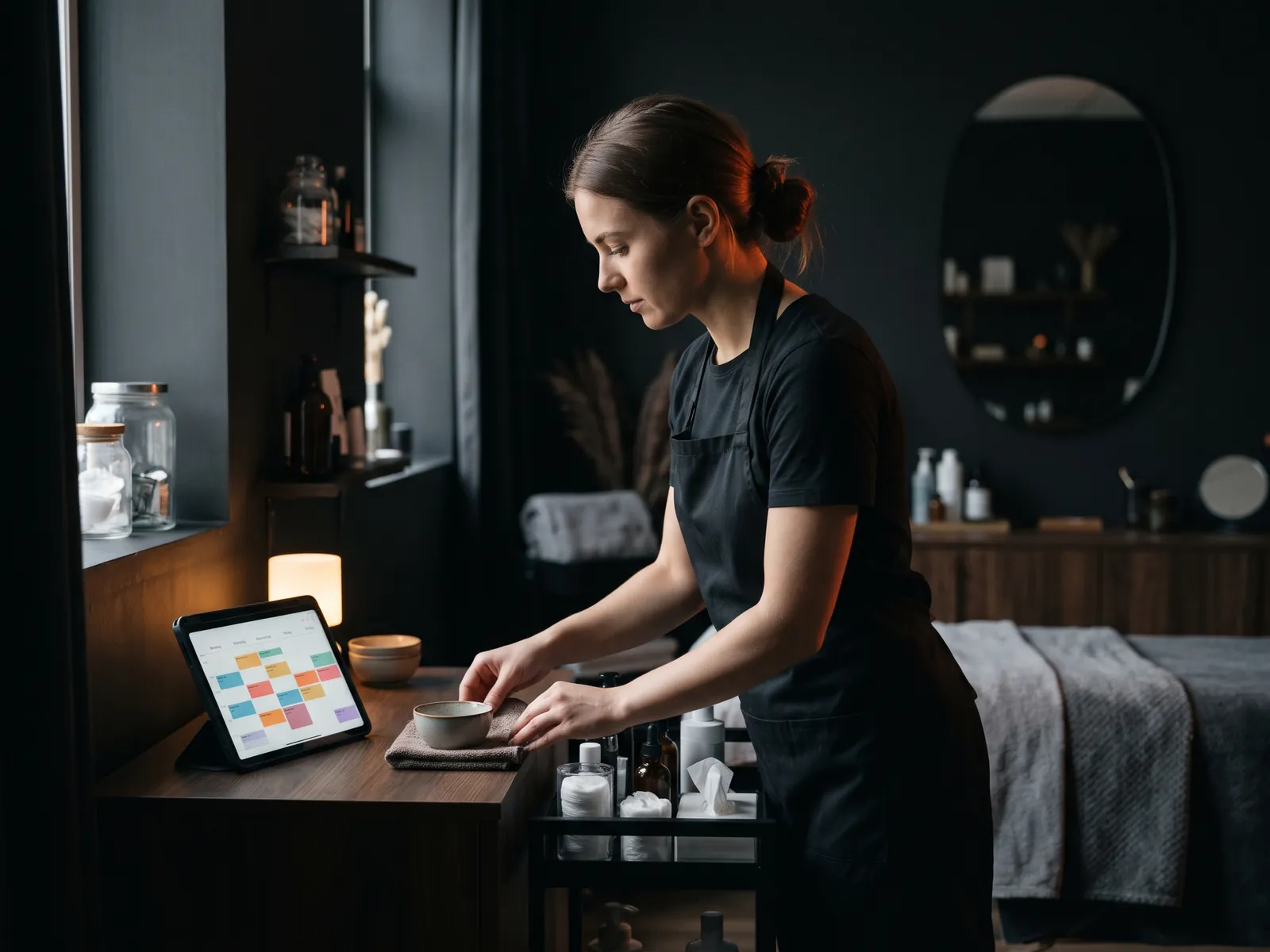
Automated appointment reminders are messages your booking system sends before an appointment, usually by text or email, so customers remember to come or cancel in time. For salons, clinics, garages, driving instructors and any business that sells time slots, they are the cheapest way to cut no-shows. They cost little to run, take a few hours to set up, and work every day without anyone remembering to send them.
A no-show is not just a lost fee. The slot cannot be resold at short notice, staff are paid anyway, and the customer often feels awkward about rebooking. A reminder fixes the most common reason people miss appointments: they simply forgot.
When to send reminders
Timing matters more than wording. A sensible default for most UK service businesses:
- At booking: a confirmation with date, time, address and how to cancel or reschedule.
- Two or three days before: for longer or more expensive appointments, a reminder with a link to rebook. This leaves time to fill the slot if they cancel.
- The day before: a short text. This is the one that matters most.
- A couple of hours before: optional, useful for early-morning appointments or customers who booked weeks ago.
Avoid sending reminders late at night or very early in the morning. Midday or early evening the day before tends to feel natural.
For Monday appointments, send the reminder on Friday afternoon or Saturday rather than Sunday night, and remember bank holidays when your system counts "the day before". A reminder that arrives on a bank holiday Monday for a Tuesday slot is easy to miss in the middle of a long weekend.
Four reminder templates
Keep messages short, clear and in your normal tone. Some examples you can adapt:
Confirmation:
Thanks for booking with Northgate Physio. See you Tue 14 Jan at 10:30 at 12 Mill Lane. Need to change it? Reply or use this link.
Day-before reminder:
Reminder: your cut and colour with Jess is tomorrow at 2pm. Can't make it? Reply CANCEL and we'll free the slot for someone else.
Garage drop-off:
Your MOT at Brook Street Garage is tomorrow, drop-off 8:30. Please bring the locking wheel nut key. Reply if you need to rearrange.
After a no-show:
Sorry we missed you today. Would you like to rebook? Here are the next free slots.
The "free the slot for someone else" line is quietly effective: it reminds people that cancelling helps others, without lecturing.
Deposits, cancellation fees and policies
Reminders work best alongside a clear policy. Many UK salons, beauty clinics and therapists take a deposit at booking or charge a cancellation fee for late cancellations and no-shows. Platforms like Treatwell and Fresha support this, as do most booking tools.
A few principles keep this fair and defensible:
- State the policy before the customer books, not afterwards.
- Make cancelling easy, through a link or a reply, so honest customers can avoid the fee.
- Apply it consistently.
- Make sure the terms are fair under consumer law; if you are not sure, ask a solicitor.
A deposit changes behaviour more than any message. Combined with a reminder, it usually makes no-shows a minor issue rather than a weekly problem.
The rules for reminder texts
Appointment reminders are service messages: they relate to something the customer has booked. Under PECR, consent for marketing is generally not needed for them. The line is crossed when you add promotions, such as "book your next appointment this week for a special price" or a newsletter link. At that point the message is marketing, and the consent or soft opt-in rules apply. My article on SMS marketing rules in the UK explains the difference.
Also keep personal data to a minimum. For clinics and therapists, a reminder should not reveal the treatment in a way that would embarrass someone if a family member read their phone. "Your appointment at the clinic tomorrow at 10:00" is usually enough.
Setting it up: three common routes
| Route | Good for | Watch out for |
|---|---|---|
| Built-in reminders in a booking platform | Salons, clinics using Fresha, Treatwell or similar | Limited wording and timing options |
| Booking on your website plus CRM automation | Businesses wanting their own booking flow and data | Needs setup work |
| Calendar plus SMS tool | Small teams with simple diaries | Easy to break if someone edits events manually |
If you take bookings on your own website, the reminders can run from your CRM, which also lets you send rebooking messages and follow-ups in one place. See online booking for service businesses for the wider picture.
What to measure
Track three numbers for a couple of months before and after you switch reminders on: the share of appointments that end in a no-show, the share cancelled with enough notice to refill, and how many of those cancelled slots you actually refilled. The first number shows whether reminders work. The second and third show whether your cancellation link and waiting list are doing their job. Most booking systems and CRMs can report these if appointments are marked consistently, so agree with your staff on what counts as a no-show, a late cancellation and a reschedule.
Beyond reminders: filling the gaps
A cancellation two days ahead is only useful if you can refill the slot. Keep a waiting list, and when someone cancels, send a quick text to the people on it. Set reminders for recurring services too: dental check-ups, boiler services, MOTs and haircuts all have a natural rhythm. Those follow-ups are among the most effective messages a local business can send, provided the marketing rules are respected.
How I can help
I connect booking forms, CRMs and SMS tools so reminders, confirmations and rebooking messages run on their own. The LaserLux project in Kutno, Poland, where I am head of marketing, uses online booking with treatment packages, and the same logic fits UK clinics and salons. A booking bot can also take appointments through chat. SMS setup is quoted individually; a free 30-minute call is enough to work out the simplest version for you.
Let’s talk
about your business
Before the call I review your website and ads. After the call you get an action plan and a price range in writing.

12+ years in online marketing, 100+ clients. I build websites, Google Ads and Meta ads campaigns, CRMs and automations for small and mid-sized businesses. About me →
Set up reminders that actually work
I connect your booking system, CRM and texts so reminders and rebooking run on their own. Message me with the tool you use today.
Appointment reminder questions
Do I need consent to send appointment reminders?
A reminder about an appointment the customer booked is a service message, not marketing, so PECR marketing consent is generally not required. Keep it about the appointment. If you add offers or 'book your next visit and save' style content, it becomes marketing and the consent rules apply.
Text, email or WhatsApp?
Texts are read fastest and suit short-notice reminders. Email suits detailed instructions, such as preparation before a treatment. WhatsApp works well where customers already message you there. Many businesses send an email at booking and a text the day before.
Can I charge for no-shows?
Many UK businesses take a deposit or have a cancellation fee, which is common for salons and clinics. Make the terms clear before booking, apply them consistently and make sure they are fair under consumer law. If you are unsure about wording, ask a solicitor.
What about NHS-funded services?
NHS services have their own rules and systems for reminders and missed appointments. This article is about private appointments; if you provide NHS work, follow your contract and the relevant NHS guidance.